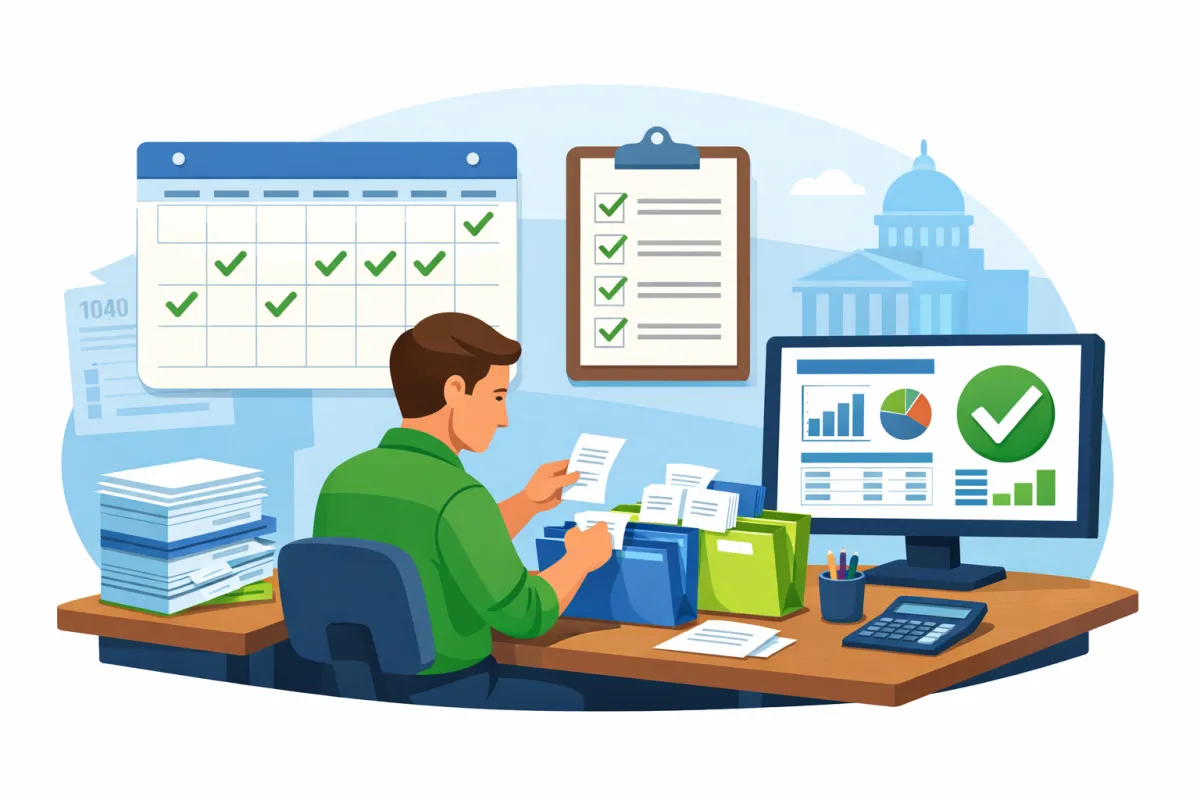
How Catch-Up Bookkeeping Prevents IRS Penalties
Introduction
Accurate bookkeeping is an essential component of managing a successful small business. It not only provides insight into your financial health but also ensures compliance with tax obligations. Falling behind on bookkeeping can significantly increase the risks of IRS audits and penalties, creating stress and potential financial strain on your business. The goal of this article is to highlight the importance of staying compliant and streamlining your financial records through effective catch-up bookkeeping, which plays a crucial role in preventing IRS penalties.
Understanding IRS Penalties
Small businesses often incur IRS penalties for a variety of reasons, and understanding these can help you avoid them. Common causes include late filings, inaccuracies in financial reports, and failure to pay taxes owed on time. When bookkeeping is not kept up to date, it can trigger audits, especially if discrepancies or missing information are evident.
The financial and operational impact of IRS penalties can be severe. Fines can accumulate quickly, and businesses may also face interest charges on late payments. More than just financial strain, penalties can divert your focus from growing your business to resolving compliance issues, ultimately affecting long-term success.
What Is Catch-Up Bookkeeping
Catch-up bookkeeping refers to updating and organizing financial records after falling behind. The primary purpose is to bring your finances up to date, ensuring that all transactions are accurately recorded and reconciled.
This process differs from regular bookkeeping in that it typically involves a more extensive review and correction of entries and may require significant effort to address periods of inactivity. For small business owners, the benefits of catch-up bookkeeping include enhanced clarity in financial reporting, increased compliance with IRS regulations, and a reduced risk of incurring penalties due to errors or omissions.
How Catch-Up Bookkeeping Helps Avoid IRS Penalties
Reconcile Accounts
Regular reconciliation of accounts is a fundamental step in catch-up bookkeeping. This process ensures that your financial records are accurate and align with your bank statements, minimizing discrepancies. By reconciling accounts, you can identify any errors before they lead to more serious compliance issues.
Update Financial Records
Another critical aspect of catch-up bookkeeping is fixing missing transactions, invoices, and receipts. Updating your records not only helps ensure compliance but also provides a clearer financial picture, making it easier for you to prepare your taxes accurately.
Correct Errors Promptly
Catch-up bookkeeping allows you to identify and correct errors promptly. Addressing mistakes as they arise prevents compounding issues that can trigger audits. When records are clear and accurate, the likelihood of IRS penalties diminishes significantly.
Ensure Compliance
Proper categorization of income and expenses is crucial for tax purposes. Catch-up bookkeeping helps you ensure that all entries are appropriately categorized, facilitating accurate tax filings. This proactive approach reduces the risk of audits and the resulting penalties for misreporting.
Streamlining Your Bookkeeping Process
To prevent falling behind in the future, it’s essential to implement systems that maintain up-to-date records. Utilizing bookkeeping software can automate recurring tasks, streamlining your workflow and freeing up your time for more critical business functions.
Additionally, scheduling regular reviews of your financial records can help catch any issues early before they escalate into larger problems. Establishing a consistent routine will not only keep your bookkeeping organized but also ensure ongoing compliance with IRS requirements.
Tips for Small Business Owners
To stay on top of your financial record-keeping, consider the following tips:
Stay Proactive and Consistent: Make it a habit to review and update financial records regularly. Consistency is key to preventing backlogs that can lead to stress and errors.
Work with a Professional Bookkeeper or Accountant if Behind: If you're already behind, enlisting the help of a professional can expedite the catch-up process and ensure accuracy.
Monitor Compliance and Tax Obligations: Keep abreast of your compliance requirements and tax obligations to avoid unwanted surprises. Staying informed about any changes in tax laws can also be beneficial.
In summary, catch-up bookkeeping is a vital practice that prevents IRS penalties and promotes financial clarity for small businesses. By making it a priority to maintain accurate records, reconcile accounts, and ensure compliance, business owners can navigate tax season confidently, avoiding the pitfalls associated with disorganized bookkeeping. If you find yourself overwhelmed by the backlog or unsure where to start, don’t hesitate to seek professional assistance. By taking proactive steps now, you can protect your business and focus on achieving long-term success.
