Catch-Up Bookkeeping: Reasons It's Costing You More Than You Think
Introduction
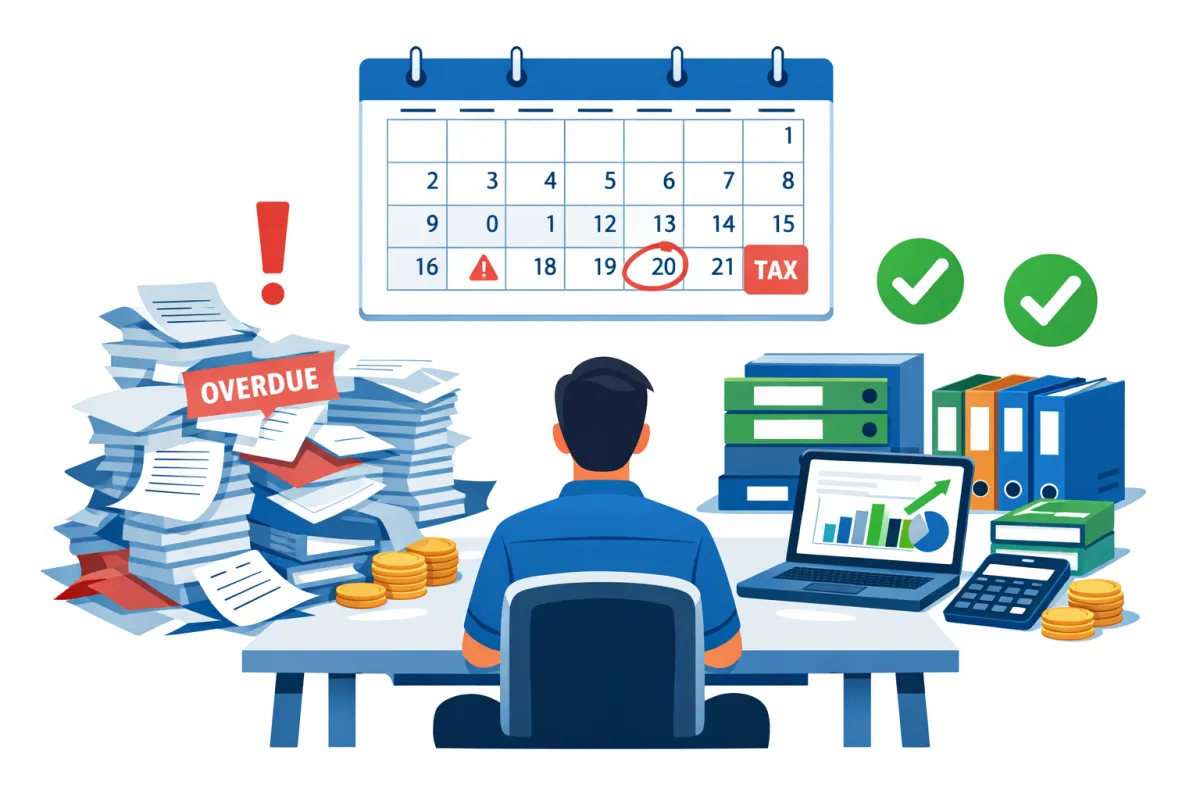
Catch-up bookkeeping refers to the process of updating financial records after a significant delay, a common scenario for many business owners. As the demands of running a business increase, bookkeeping can fall by the wayside, leading to financial chaos. However, these delays can result in high financial and tax-related costs that may not be immediately apparent. Maintaining up-to-date bookkeeping is crucial for ensuring clarity and making informed decisions, which ultimately supports the success of your business.
The Hidden Costs of Falling Behind
One of the most significant hidden costs of falling behind on bookkeeping is the loss of missed deductions and tax benefits during tax season. Inaccurate or incomplete records make it challenging to identify eligible deductions, resulting in overpayments. This scenario not only affects your immediate cash flow but also diminishes the potential for reinvestment in the business.
In addition, inaccurate financial reporting can lead to misguided business decisions. Without current financial data, business owners may misjudge their performance or misallocate resources. Lastly, the year-end rush to get everything in order adds unnecessary pressure. The chaos that ensues from catching up can lead to stress, decreased productivity, and hasty decision-making.
Reasons Business Owners Fall Behind
Several factors contribute to falling behind in bookkeeping. Time constraints are a primary cause, especially for small business owners who wear multiple hats. The daily demands of operating a business often leave little room for meticulous bookkeeping.
Inconsistent bookkeeping habits throughout the year can exacerbate the issue; poor organization typically leads to increased backlog as the months pass. Furthermore, many business owners underestimate the importance of timely financial record-keeping. They often view bookkeeping as a low priority until tax season looms, at which point the feeling of urgency can lead to stress rather than clarity.
How Catch-Up Bookkeeping Impacts Your Business
The effects of catch-up bookkeeping extend beyond time lost. Increased costs for professional bookkeeping services often arise when business owners must rush to get their records in order. Many accountants charge a premium for urgent catch-up work, which can add up quickly. Additionally, the risk of errors and discrepancies in financial records increases, leading to potential complications during audits or tax preparations.
The stress associated with this scramble cannot be underestimated. A lack of clarity around your financial situation makes it difficult to prepare for taxes or audits, causing anxiety that could have been avoided with timely bookkeeping practices.
Steps to Get Back on Track
To regain control of your bookkeeping, follow these steps:
Assess the Backlog: Take stock of how far behind you are and prioritize high-impact accounts, such as bank accounts and revenue streams.
Gather All Missing Records and Documents: Collect all necessary financial documents, including bank statements, invoices, and receipts.
Reconcile Accounts and Correct Errors: Compare your financial records with bank statements to identify and correct discrepancies.
Categorize Transactions Properly: Ensure your transactions are categorized correctly to maximize deductions and provide a clear financial snapshot.
Generate Accurate Reports: Once your records are updated, produce accurate financial reports to regain clarity and support strategic decision-making.
Benefits of Up-to-Date Bookkeeping
The advantages of maintaining up-to-date bookkeeping are numerous. For one, it streamlines tax preparation and helps maximize deductions, ultimately saving you money. Furthermore, current financial records provide clearer insight into your business performance, aiding in proactive decision-making.
Reduced stress during year-end and tax season is another significant benefit. When your records are current, you can approach tax season with confidence. This clarity allows you to focus on growth strategies and improved operational efficiency instead of worrying about incomplete financial records.
Preventing Future Delays
To avoid falling behind in the future, establish a regular bookkeeping routine. Setting aside specific times each week or month for bookkeeping tasks creates a consistent habit that keeps your records up to date. Utilizing bookkeeping software can also help automate recurring tasks, freeing you from manual entry burdens and minimizing clerical errors.
Additionally, schedule periodic reviews to ensure your bookkeeping remains organized and current. Regular check-ins can catch potential issues before they escalate, ensuring a smoother financial operation year-round.
In conclusion, neglecting bookkeeping tasks is more than just an administrative headache; it incurs hidden costs that can impact your bottom line and future growth. By recognizing the importance of timely financial management and implementing effective catch-up strategies, you can protect your business from unnecessary stress and costly errors. Proactively maintaining your records ensures a clearer path for decision-making and stability in your financial health. If you find yourself struggling with bookkeeping, consider reaching out for professional support to help you stay on track.
